
The Design Elements Shaping Mornington Peninsula Homes
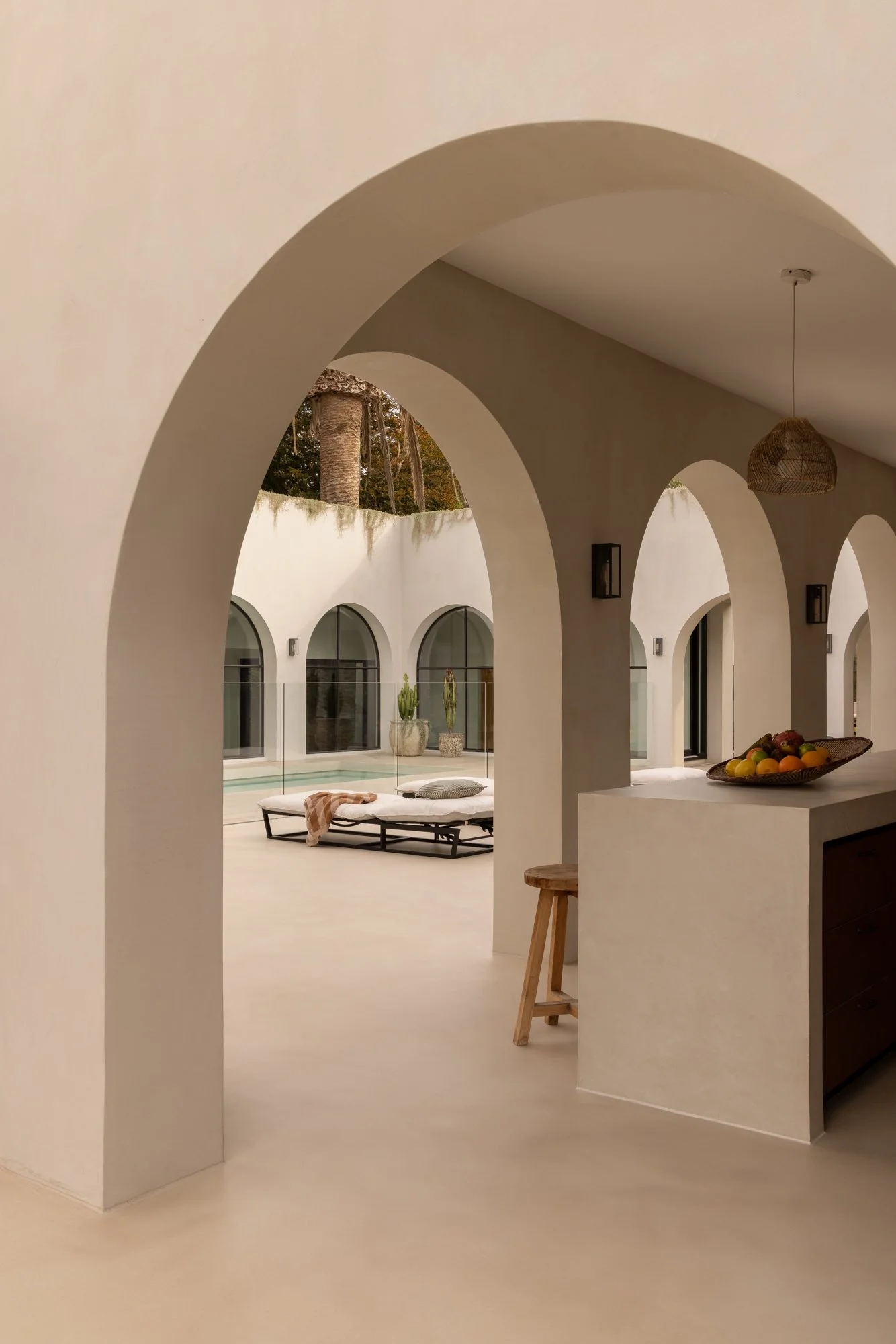
The Mornington Peninsula’s architecture is largely driven by coastal beauty and a slower pace of living. For many clients, their Peninsula homes are designed as places to switch off — whether that’s for weekends, summer holidays, or full-time residence. That means flexible spaces for entertaining, low-maintenance materials that withstand the unique weather conditions, stronger connections to the outdoors, and layouts that feel equally comfortable after a beach day or during a cozy winter getaway.
We’ve been building in the area for years, and have noticed some key shifts in the design details and planning decisions shaping construction projects.
A New Standard For Wellness Spaces
Wellness is no longer treated as a rare luxury feature, but a necessity in residential projects. More clients are incorporating dedicated recovery and wellness zones into their homes from the beginning of the design process, particularly saunas, cold plunge pools and gym or movement spaces. These spaces make sense because they align with the lifestyle that draws people to the area: more mindful living, connection to nature, and spending time at home.
Not just a small add-on, these amenities are being integrated architecturally and at scale — especially in luxury homes. We’re seeing dedicated wellness zones spanning entire levels, finished with the same level of materiality and detail as the rest of the home, where the aesthetic is just as important as the function.
This reflects a shift happening in the local area. Once just a seasonal escape for summer holidays, The Mornington Peninsula is becoming busier year-round. Clients want homes that support daily routines, not just occasional entertaining for a weekend here and there.
Indoor–Outdoor Living Is More Considered
Indoor–outdoor living has always been part of Peninsula builds, but it’s becoming more refined in how it’s executed. Rather than oversized alfresco areas that sit unused for half the year, outdoor spaces are being designed with greater flexibility and weather protection in mind.
Retractable glazing, sheltered courtyards, integrated heating, outdoor kitchens and more sheltered landscaping are helping outdoor zones feel usable through every season. Orientation is also playing a bigger role. Homes are being designed more carefully around natural light, prevailing winds and privacy — particularly on exposed coastal sites right on the water.
Feeling Connected to Place
One of the strongest shifts happening is a move away from generic “luxury” homes that could exist anywhere. Instead, clients are looking for homes that feel more connected to their site and surroundings. That means architecture responding to the site, designing around views and orientation rather than forcing a predetermined style onto the block.
If you stroll along Sorrento’s Millionaire’s Walk, you’ll notice many of the homes are deliberately understated from the street, all but invisible from the roadside where facades are either blocked by fences or set to the rear of the block — where, from the water side, the architecture opens up completely.
Even homes that aren’t right on the water are still designed around views, natural light, and the changing coastal conditions. They’re not built solely for street presence or visual impact from the front boundary.
Storytelling Through Stone
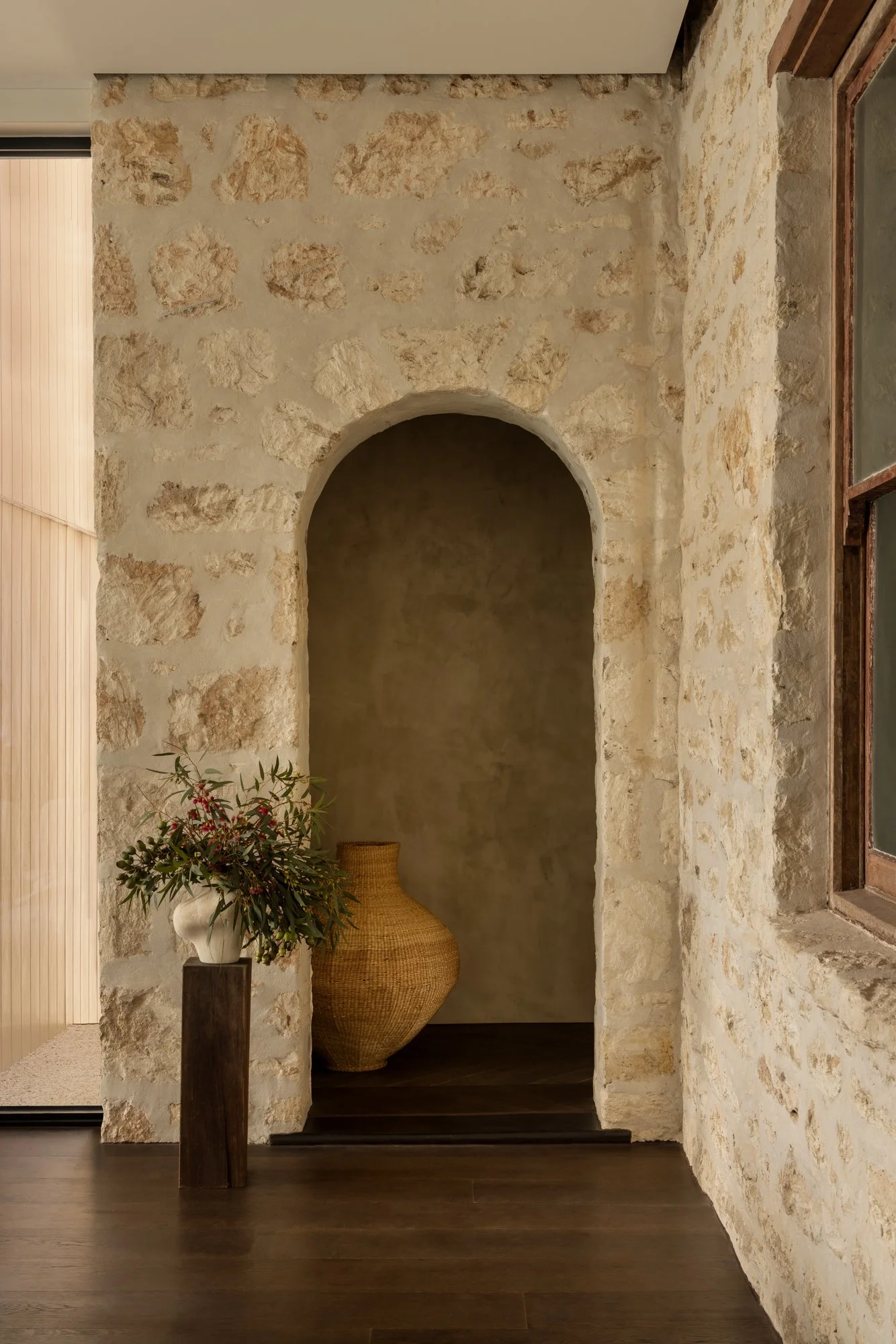
From Sorrento and Portsea to Flinders and Blairgowrie, heritage limestone and sandstone are deeply tied to the Peninsula’s architectural identity. Many of the area’s original homes and retaining walls were built using locally quarried stone, giving these coastal towns their distinct texture and character long before contemporary coastal architecture emerged.
Today, that material history still influences how homes are designed. Where existing stone can be retained or reclaimed, it adds a sense of permanence and authenticity that newer materials often struggle to replicate. Even in more contemporary homes, limestone is frequently used to ground the architecture — whether through feature walls, landscaping or facades that reference the area’s heritage without feeling overly traditional.
On the Peninsula, these materials also make practical sense. They weather naturally, sit comfortably within the landscape and age in a way that feels consistent with the environment rather than fighting against it.
Pools As The Heart Of The Home
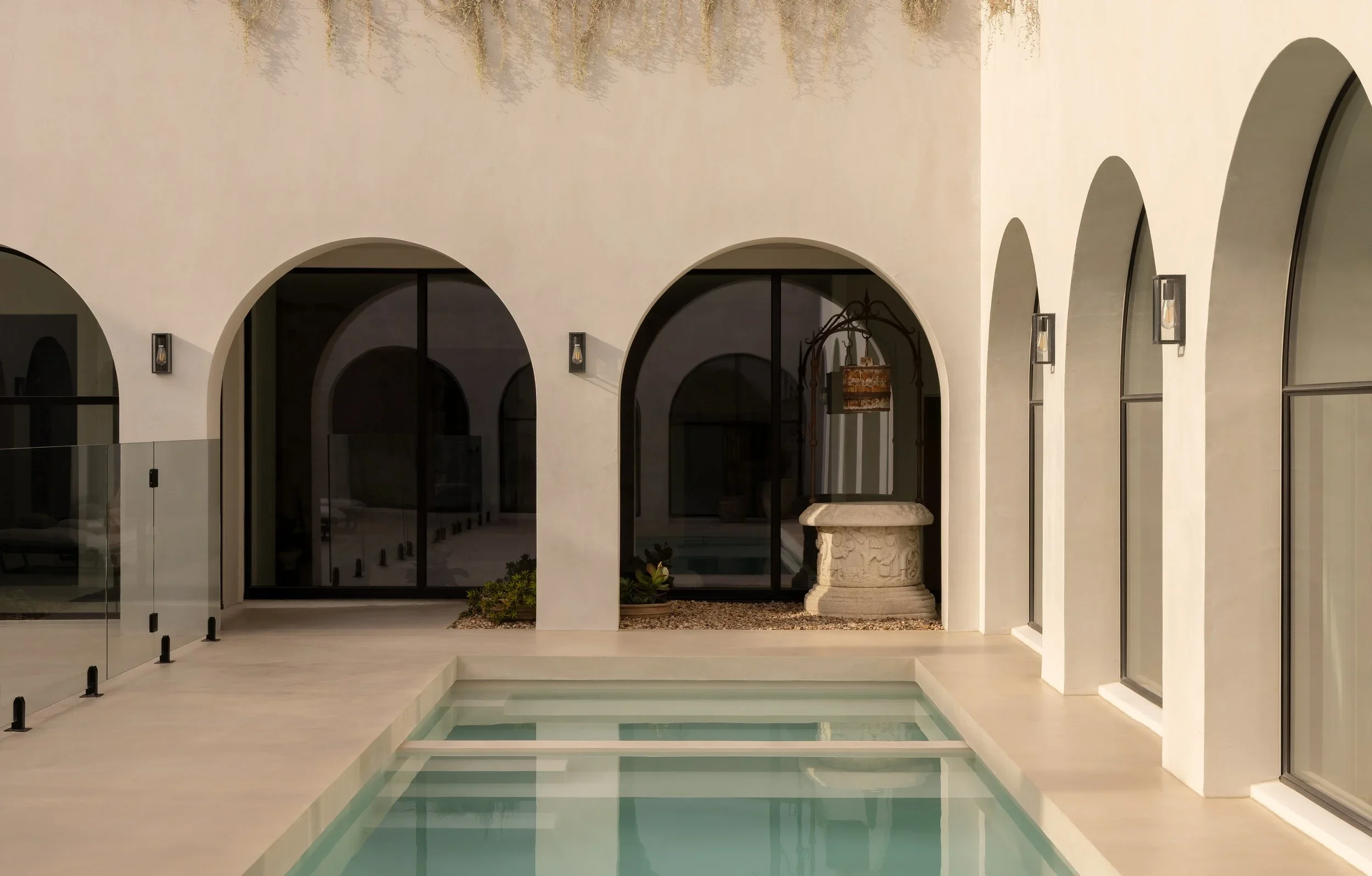
Instead of being pushed to the back of the block, pools are now often positioned centrally — visible from main living areas, aligned with entertaining zones, or integrated directly into the architectural layout.
We’re also seeing a move towards more restrained pool design: cleaner shapes, sleek infinity edges, integrated spas and surrounding materials that feel consistent with the rest of the space rather than decorative additions.
Landscaping As Part Of The Architecture
We’re seeing less of the overly manicured garden approach and more naturalistic planting palettes that feel genuinely connected to the Peninsula itself. The native vegetation across the area is incredibly distinct — coastal tea trees, Moonah, native grasses, olive trees, even gravel and rock beds. Using local flora helps create a stronger relationship between the home and its surroundings.
There’s also a practical advantage to this approach. Gardens on the Peninsula need to withstand coastal conditions (think strong winds, salt air and long periods of sun exposure) and native plants are naturally suited to the climate. They also tend to be lower maintenance, which is particularly important for holiday houses or properties that aren’t occupied full-time.
The best builds on The Mornington Peninsula aren’t necessarily the loudest or most complicated. They’re the ones that feel resolved, functional and genuinely suited to the way their owners want to live. At Alt, we build homes that go beyond ordinary, where people are proud to live.